

Meet Drex Max: Nace AI’s Multimodal Decision Model for Computer-Use Agents with a Score 67.59

Nace AI has released Drex Max, a multimodal decision model for agents that use computers and browsers. The Drex Max multimodal decision model reads text and images and returns calibrated probabilities. It writes no text. Nace team reports 67.59 on the public Decision
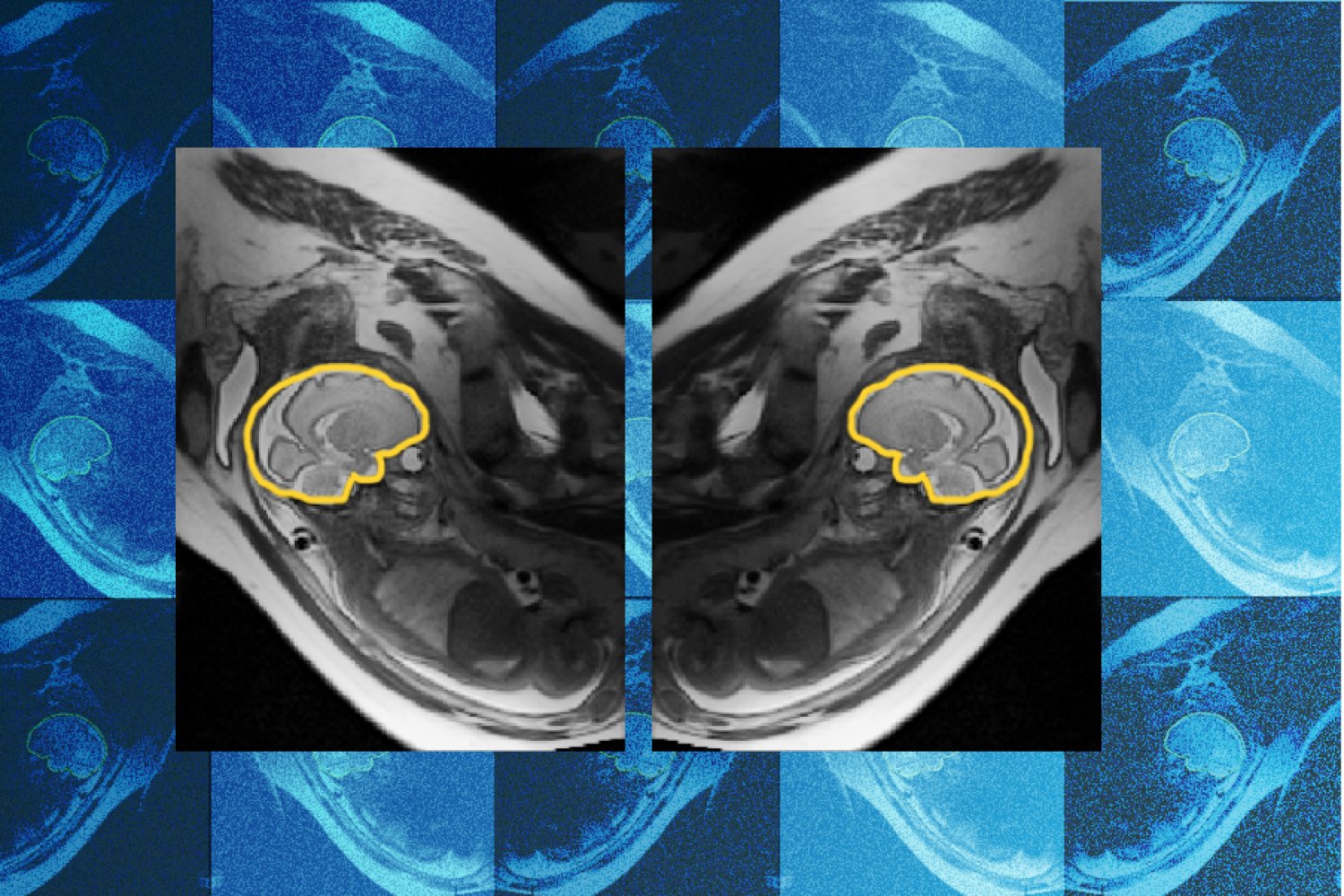
Why teaching AI about symmetry could make prenatal diagnosis more reliable | MIT News
Despite millions of years of evolution, the development of the human fetus remains a complex process that is vulnerable to genetic, environmental, and metabolic disruptions. These disruptions could result in developmental abnormalities, starting with one of the first organs to begin developing in
Perplexity Open-Sources SPACE, a Firecracker MicroVM Sandbox for AI Agents
Perplexity has open-sourced SPACE, the sandbox platform behind every task in Perplexity Computer. The Perplexity SPACE sandbox gives each agent task its own Firecracker microVM. Credentials and outbound traffic are controlled from outside that VM. The code ships under Apache 2.0 on GitHub.

Fostering community amid Kendall Square’s innovation | MIT News
Kendall Square in Cambridge, Massachusetts, is often cited as the most innovative square mile in the world. But when the Kendall Square Association gathered local stakeholders for its 18th Annual Meeting Thursday, the conversation focused on innovation primarily in the context of community.

Google Releases Gemini 4 Argon API With 1M Token Output Limit
Google DeepMind has made Gemini 4 Argon generally available to developers, enterprises and paid Gemini subscribers. Gemini 4 Argon is a sparse mixture-of-experts frontier model from Google built for long, multi-step work. Its target domains are coding, finance, legal, science and cybersecurity. Google
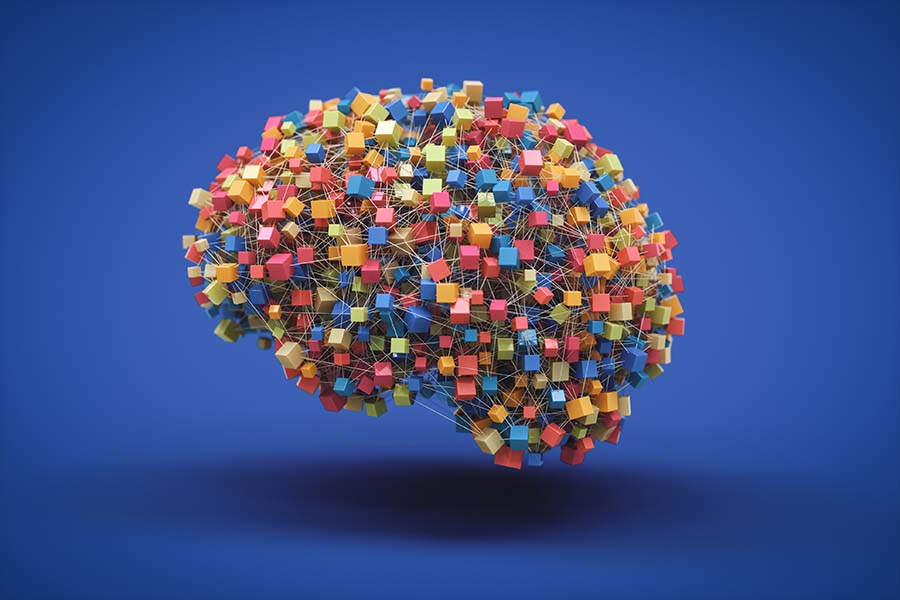
How artificial neural networks build their own learning machinery | MIT News
As artificial intelligence becomes more and more powerful, its ability to handle human-like tasks is undeniable. Artificial neural networks can learn to recognize images, use language, or write computer code. Like the brain’s circuits, they reorganize themselves as they learn, adjusting the strengths
3 Questions: What is the best path forward for AI in academia? | MIT News
With artificial intelligence capabilities continuing to expand, universities now face complex, urgent questions about how to navigate increasing challenges, as well as new opportunities. Much attention is now directed toward this, including an MIT report on AI and education published this summer. A new
NVIDIA PivotOPD Teaches Multi-Turn AI Agents to Recover From Pivotal Mistakes
NVIDIA researchers, with Princeton University and the University of Maryland, have introduced PivotOPD, an on-policy distillation method for multi-turn LLM agents. PivotOPD on-policy distillation trains an agent to avoid its most damaging early mistake, and to recover when it happens anyway. Against 13
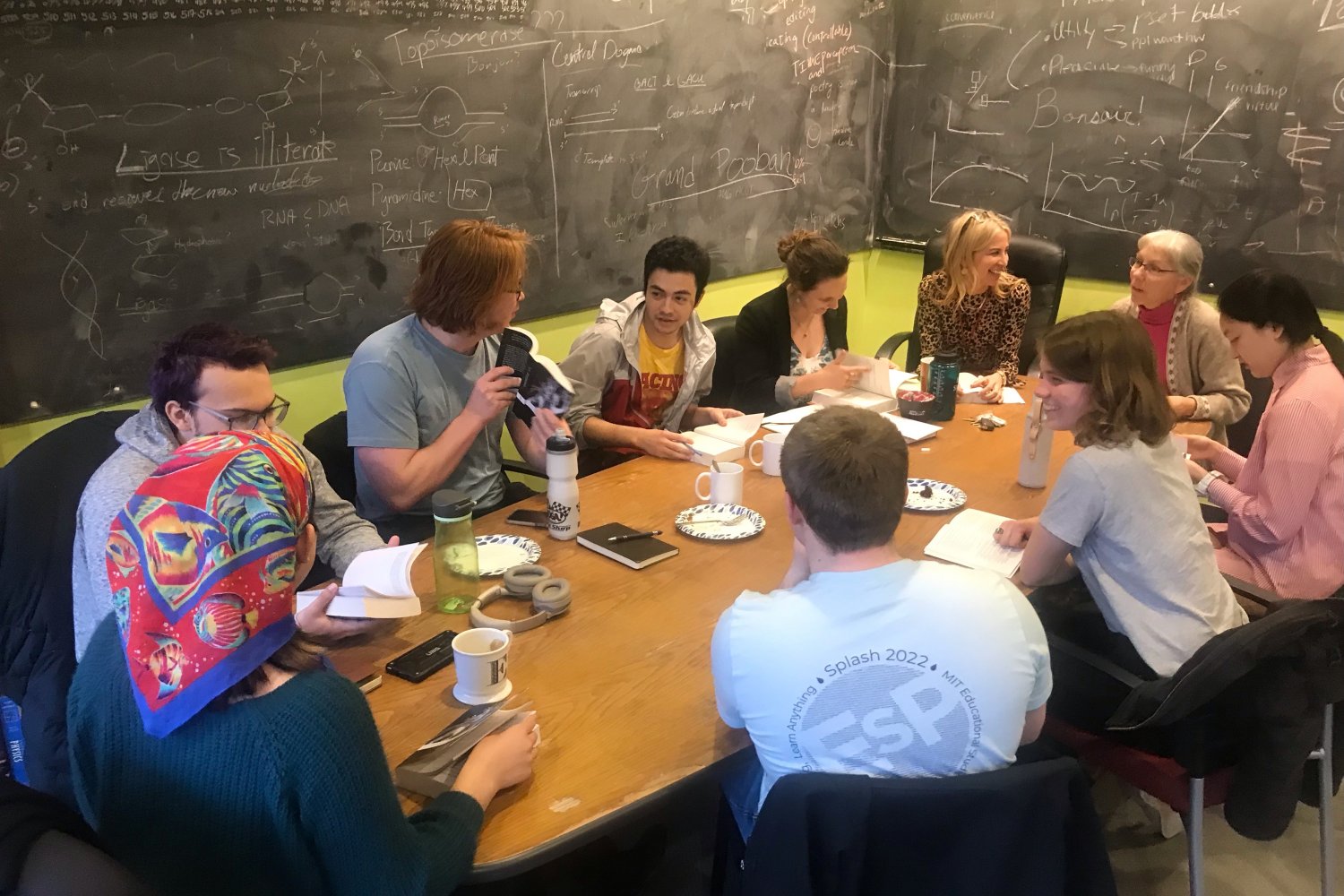
Discovering the value of humanistic inquiry | MIT News
Artificial intelligence has become part of the zeitgeist. And while it’s a polarizing topic, Linda Rabieh has a unique take on AI: “It’s good for business. Our business, of humanistic thinking.” As senior lecturer in the Concourse program, one of MIT’s first-year learning

Computational tools for society’s most complex challenges | MIT News
As far back as she can remember, Cathy Wu ’12, MNG ’13 wanted to find ways to solve problems to improve people’s lives. Her parents were Taiwanese immigrants, and her father had a long commute to his job, which took him away from